

MAKING SENSE OF IT ALL WITH
Modern Opinion Research
Whether we like it or not, everything is political. And politics is complicated.
So too is business—and life. There are landmines everywhere. It takes a confident, creative approach to make sense of it and to chart a winning path forward. Without trusted partners who offer the right blend of sociology, psychology, and experience—many researchers are left asking the same old questions that don’t solve anything. That’s where we come in.
At SocialSphere, we conduct tens of thousands of interviews and more than 100 focus groups every year on dozens of issues affecting the nation’s citizens, voters, and consumers. We have a deep understanding of individuals, groups, and how they come together to shape each generation’s collective values. We combine that knowledge with our academic and practical experience to develop custom research programs and powerful communications strategies that enable our clients to achieve their goals. Sometimes those goals are winning the White House. Other times, they’re on behalf of governments and NGOs wishing to share or shape important public policies. We help filmmakers and international sports leagues connect with new audiences, and B2B and CPG companies refine products and positioning. Reach out today to find out why no one does it better than SocialSphere.
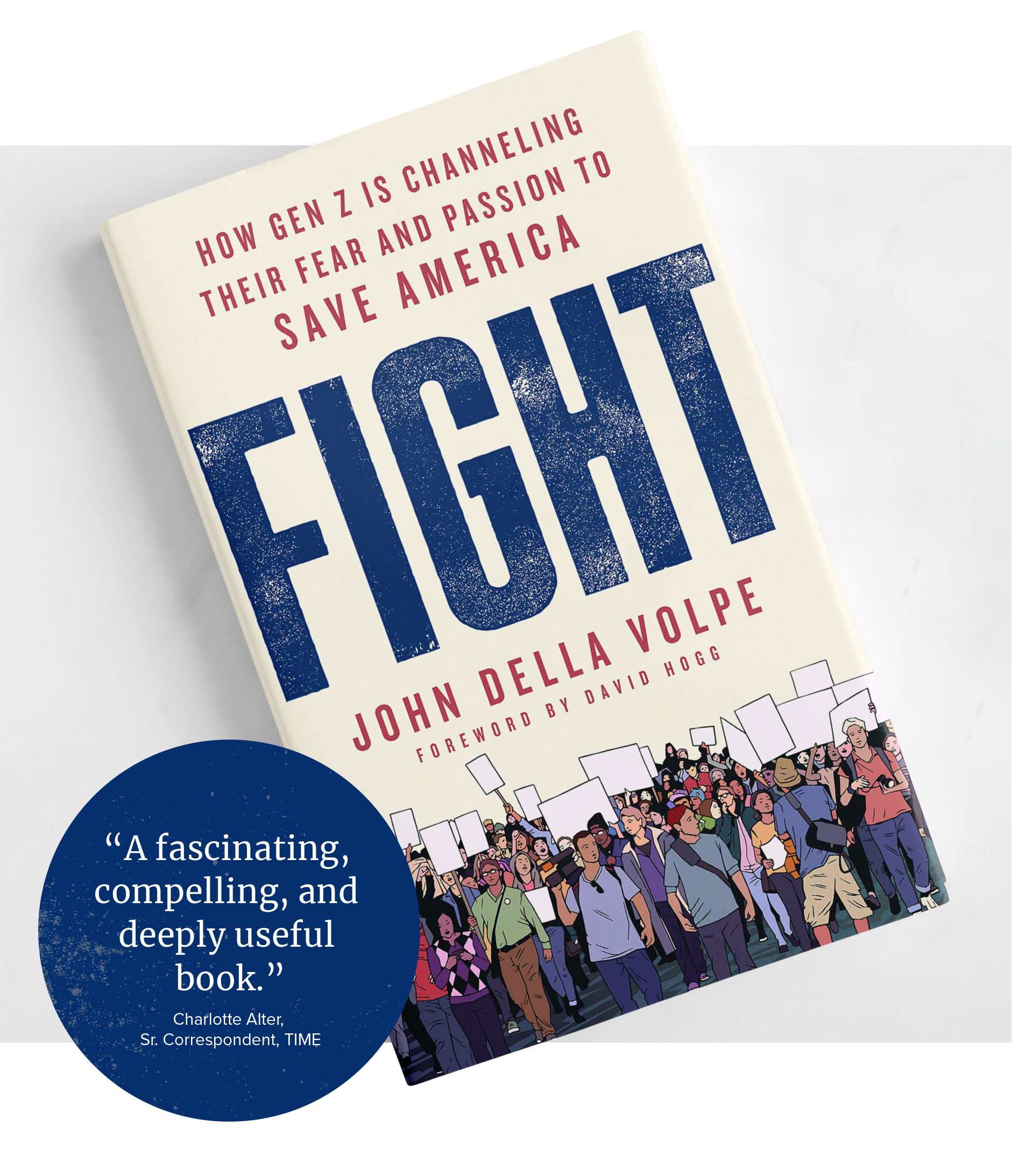
Pre-order founder John Della Volpe’s critically acclaimed debut book, Fight: How Gen Z is Channeling Their Fear and Passion to Save America.
In Fight, Della Volpe draws on his vast experience to show the largest forces shaping zoomers’ lives, the issues they care most about, and how they are rising to the unprecedented challenges of their time to take control of their country and our future.

“What impresses us about SocialSphere is that they always bring the ‘extra’ … extra care, extra thoroughness, and most important, extra insight. They are committed to going that extra mile to find the solution that solves the puzzle. And our clients appreciate the clarity their process produces.”
— PAUL FRICK, PARTNER & CO-FOUNDER, SUBJECT MATTER